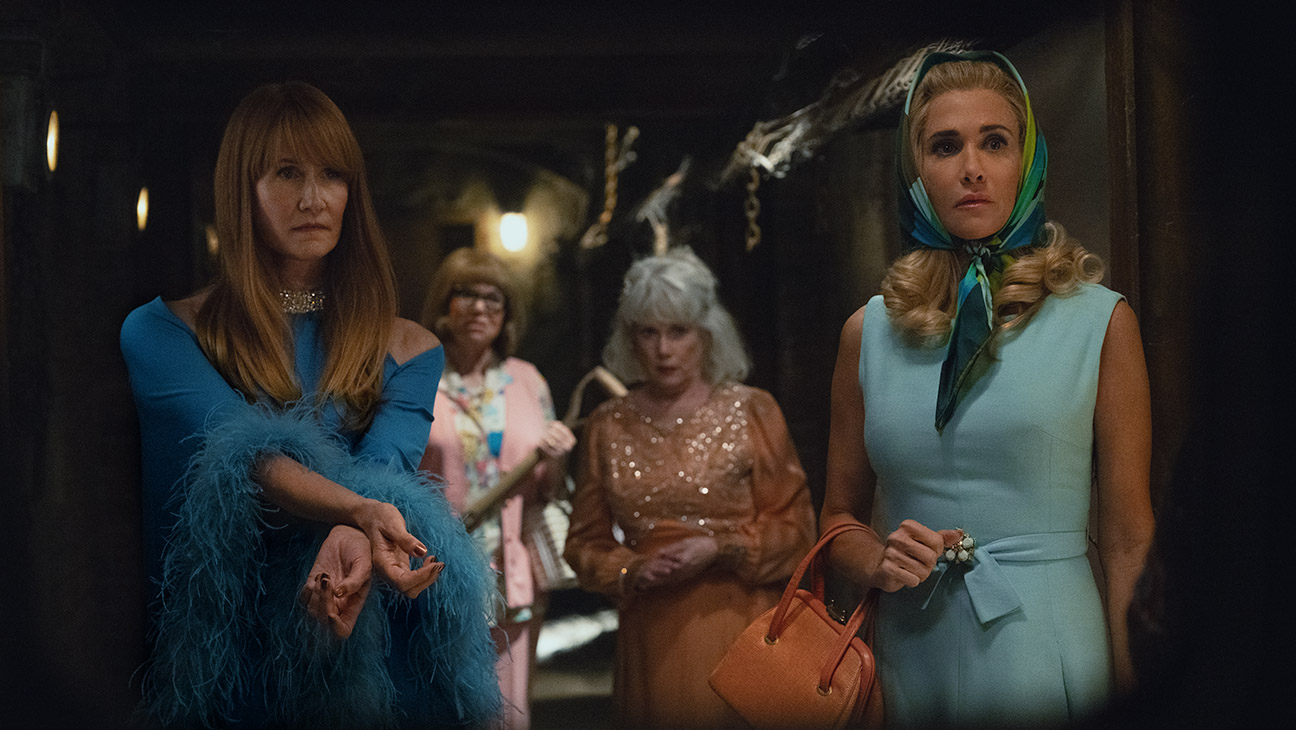
Palm Royale Axed: Big Stars Can't Save TV Shows in 2026
The television landscape of 2026 continues to be a brutal battleground, and even a glittering ensemble cast, critical acclaim, and Emmy nominations are proving insufficient to secure a show's future. The latest high-profile casualty sending shockwaves through Hollywood and among dedicated viewers is Apple TV+'s lavish dramedy, Palm Royale. Despite boasting a star-studded lineup including Kristen Wiig, Laura Dern, Allison Janney, Ricky Martin, and the legendary Carol Burnett, the series has been cancelled after just two seasons, serving as a stark reminder that in today's cutthroat streaming era, no show is truly safe.
For fans, the news that their favorite tv show cancelled is always a tough pill to swallow. It's not just about losing a story; it's about the emotional investment in characters and the anticipation of new plots. The cancellation of Palm Royale, however, feels particularly poignant. It wasn't a show struggling for attention; it was a prestige production that seemed destined for a longer run. Its abrupt end encapsulates a broader, tougher reality facing television in 2026: the rules of engagement have changed, and celebrity power, once a golden ticket, now offers little guarantee.
The Shocking Cancellation of Palm Royale: A Case Study in Modern TV Peril
Palm Royale transported viewers to the exclusive, sun-drenched world of Palm Beach high society in 1969, following Maxine Simmons (Kristen Wiig) as she desperately tried to claw her way into the upper echelons. The series was a visual feast, praised for its exquisite period detail, sharp wit, and powerhouse performances. Its first season garnered an impressive 11 Emmy Award nominations, including a nod for Outstanding Comedy Series. Wiig was recognized for Outstanding Lead Actress, and Burnett for Outstanding Supporting Actress, highlighting the critical embrace and talent involved.
Yet, none of this was enough. Apple TV+'s decision to pull the plug after two seasons underscores a fundamental shift in how streaming services evaluate success. Where once subscriber growth and prestige projects were paramount, profitability, retention, and a meticulous return on investment have become the dominant metrics. A show like Palm Royale, with its expensive production values and high-profile cast, likely carried a hefty price tag. If its viewership numbers, however respectable, didn't translate into significant new subscriptions or sustained engagement for its cost, even Emmy nods couldn't save it.
Beyond the Glitz: Why Star Power Alone Isn't Saving Shows in 2026
The case of Palm Royale isn't an isolated incident; it's a symptom of a larger trend permeating the television industry in 2026. The sheer volume of content available across dozens of streaming platforms has diluted the impact of a single star or even an entire constellation of them. In an era of content overload, viewers have become more discerning, and often, more fickle.
- Audience Fragmentation: With so many options, audiences are splintered, making it harder for any one show, regardless of its stars, to achieve breakout, universally talked-about status.
- Data-Driven Decisions: Streamers wield vast amounts of user data, allowing them to pinpoint exactly what resonates, for how long, and for whom. If the data doesn't justify the expense, even critical darlings face the axe.
- Escalating Costs: Securing A-list talent and maintaining high production quality in today's market is incredibly expensive. Services are increasingly scrutinizing whether these costs yield a proportionate return in subscriber value.
- The "New" Viewer Journey: Many subscribers might binge a show and then cancel their subscription or move to another platform. This "churn" makes long-term engagement harder to secure, placing pressure on every series to be a continuous draw.
This dynamic is especially acute in the ongoing streaming wars of 2026, where platforms are battling not just for new subscribers, but to retain their existing ones in a fiercely competitive market. Investing heavily in a show that doesn't significantly move the needle in these key metrics is a risk many services are no longer willing to take.
The Harsh Realities of the 2026 Television Landscape
Understanding why a tv show cancelled can be complex. As Rotten Tomatoes wisely points out, the term "cancelled" often encompasses shows that "come to a natural end" as well as those abruptly axed. For simplicity, any show for which a network or streaming service announces no further seasons is considered cancelled. This broad definition highlights the ultimate power held by the platforms: they decide when a story has run its course, regardless of fan sentiment or critical acclaim.
The fierce competition has led to a landscape where only the most robust performers survive. This can mean shows that deliver massive, consistent viewership, or those that are exceptionally cost-effective to produce relative to their audience. Limited series or miniseries have also become increasingly popular for networks and streamers. They offer contained stories, often with high-caliber talent, but without the long-term financial commitment and risk associated with ongoing shows. This allows platforms to cycle through new content more rapidly and avoid the spiraling costs of multi-season deals.
While Palm Royale exemplifies an abrupt end, other shows like HBO's acclaimed drama Industry, which is returning for its fifth and final season, offer a different model. Announcing a final season provides closure for both creators and fans, allowing for a planned conclusion rather than an unexpected cut. However, even this "graceful exit" still signifies an ending, demonstrating that every show has an expiration date in this new era.
Coping with a Cancellation: What Fans Can Do
Discovering that your beloved tv show cancelled can feel like a personal affront. Here are some ways to navigate the disappointment and stay informed:
- Stay Informed: Bookmark reliable sources like our comprehensive guide, Renewed & Cancelled TV Shows 2026: Your Guide to What's Axed, to get the latest updates on your favorite series.
- Engage with Fandom: Join online communities, forums, or social media groups dedicated to the show. Sharing your disappointment (and theories!) with fellow fans can be therapeutic. Sometimes, fan campaigns can even lead to a show being picked up by another platform, though this is increasingly rare.
- Explore Similar Shows: If you loved the genre, themes, or acting of a cancelled show, look for others that share those qualities. Many platforms offer excellent recommendation engines.
- Revisit Old Favorites: Sometimes, the best antidote to a new cancellation is to indulge in the comfort of a series you already adore.
- Understand the Business: While frustrating, try to understand the economic pressures driving these decisions. It's not usually a reflection on the quality of the show or the loyalty of its fans, but rather the hard numbers of a competitive industry.
The television landscape of 2026 is dynamic, challenging, and constantly evolving. While the cancellation of a show like Palm Royale, despite its star power and accolades, highlights the harsh realities, it also paves the way for new stories and fresh voices to emerge. It’s a bittersweet truth that as one screen fades to black, another is always lighting up with the potential for your next obsession.